 Loading...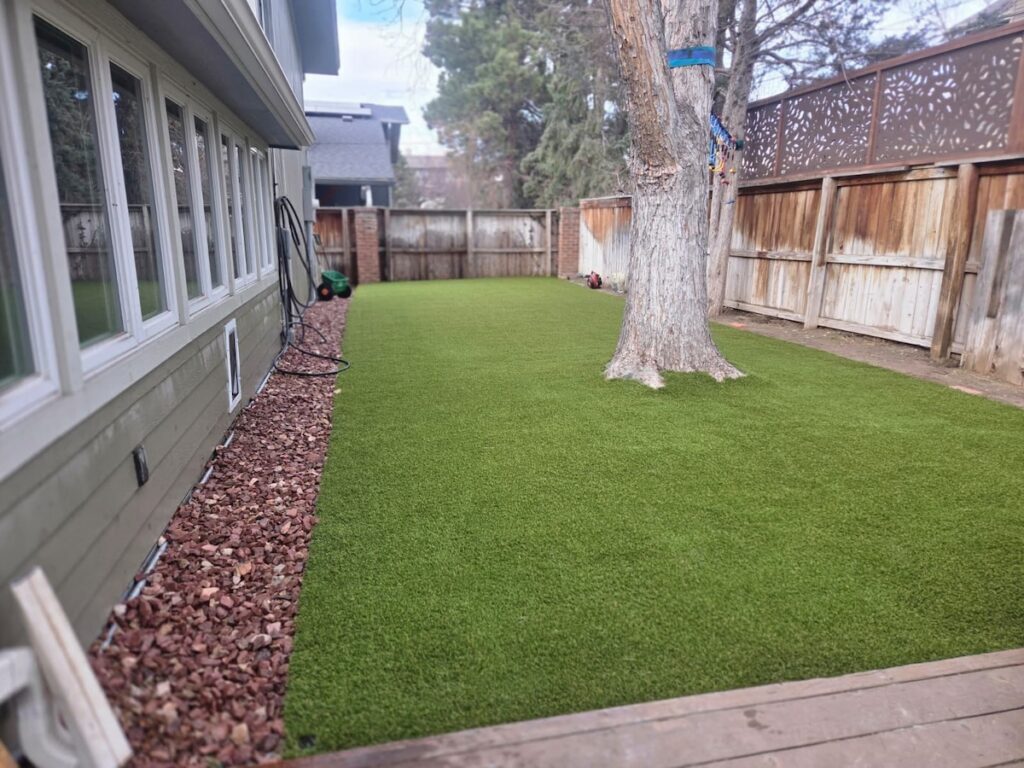
Picture this: You're standing on your Littleton driveway at 7 a.m., sprinkler timer in hand, trying to figure out how to keep your lawn alive on two assigned watering days a week — while a certified letter from your HOA sits on the kitchen counter warning you about "unacceptable turf color." Meanwhile, a few miles north, Aurora Water is using smart meters and surveillance tools to flag neighbors who run their sprinklers off-schedule.
Welcome to the 2026 Denver-suburb squeeze. The city fines you if you water too much. The HOA fines you if the grass goes brown. And the reservoirs, according to the Denver Post, are strained enough that even tighter restrictions could land next summer. If you feel stuck, you're not imagining it — and you're definitely not alone.
The Real Stories: Littleton and Ken Caryl Ranch
A Littleton homeowner recently told KDVR that her HOA threatened fines over dead grass — even though she was following the metro area's drought watering schedule to the letter. She was doing everything right by the city, and getting punished for it by her neighborhood.
Out in Jeffco, Denver7 reported that Ken Caryl Ranch homeowners are stuck in the same bind: covenants that demand a lush green lawn, layered on top of watering rules that make a lush green lawn nearly impossible. The residents didn't create this conflict. Their utility and their HOA did — and homeowners are the ones footing the bill from both sides.
Aurora Water is now using smart-meter data and surveillance tech to detect off-schedule watering. HOAs, meanwhile, are still writing violation letters for brown grass. The homeowner sits in the middle.
Why the Trap Isn't Going Away
Two forces are locking this problem in place for the foreseeable future.
First, water supply is tightening, not loosening. Front Range reservoirs are running below where utilities want them heading into fall, and Aurora just rejected a six-month moratorium on new data centers on a 6-5 mayoral tiebreaker — while Denver, Boulder County, Broomfield, and Jefferson County paused approvals. Translation: industrial water demand is climbing, which puts more scrutiny on residential use, not less.
Second, HOA covenants move slowly. Most Denver-suburb architectural guidelines were written when Kentucky bluegrass on a July afternoon was a reasonable expectation. Updating those rules takes board votes, member meetings, and — often — a lawyer. Your grass can't wait that long.
The One Landscape Choice That Ends Both Fights
Here's the good news: there is a single project that resolves both sides of the squeeze at once. A professionally installed artificial lawn.
Think about what each party actually wants. Aurora Water — and Denver Water, and every other Front Range utility — wants your outdoor water use to drop. A synthetic lawn uses effectively zero irrigation water. Your HOA wants a uniform, green, tidy front yard that doesn't drag down the block. Modern synthetic turf, installed correctly, delivers exactly that look 12 months a year, including in February when your neighbors' lawns are brown and matted.
The trick is "installed correctly." Denver isn't a forgiving climate for cheap turf. At 5,280 feet and up, UV exposure chews through non-stabilized fibers in a handful of seasons. Clay-heavy Front Range soils and freeze-thaw cycles will heave a lazy sub-base within a winter or two. That's why local specification matters:
- UV-stabilized fibers engineered for high-altitude sun (this is non-negotiable in Colorado).
- Compacted, drainage-optimized sub-base that handles spring snowmelt and summer downpours on clay soils.
- Infill matched to use — silica sand for general lawns, antimicrobial options for pet-friendly turf zones.
- HOA-review-ready documentation: product spec sheets, warranty language, and photo precedents your architectural committee can actually approve.
That last piece is what most homeowners underestimate. A good local installer doesn't just drop turf — they hand you the packet your HOA needs to say yes the first time.
Where Grass365 Denver Fits In
Grass365 Denver, led by Catherine Munaco, was built for exactly this moment. Catherine's background is in construction operations, which shows up in the details homeowners care about: predictable project timelines, clean sub-base work, and technical specs written in language HOA boards understand. The team handles full-yard artificial turf installations, drainage-optimized pet areas, and custom backyard putting greens — all engineered for Denver's altitude, soils, and covenant culture.
If you're weighing a fall install before spring 2027 restrictions land, this is the season to start. Fall installs give the sub-base time to settle before next summer, and they get you off the installer backlog that always builds ahead of watering-restriction season.
Your Next Step Out of the Squeeze
You don't have to keep choosing between a fine from Aurora Water and a fine from your HOA. One well-designed project takes you out of the enforcement crosshairs and gives your board the green front yard their covenants ask for — permanently.
Ready to see what it would look like on your lot? Request a free quote from Grass365 Denver and we'll walk you through turf options, HOA-ready documentation, and a fall install timeline.
And if you want to keep tabs on Denver-metro water rules, HOA trends, and landscape upgrades that actually hold up here, subscribe to our newsletter — we'll send the next update straight to your inbox.

Leave a Comment